Peptide Purity Guide 98%, 99% & Research-grade Clarified Prg
Peptide Quality Control & Pureness Testing Boc Sciences

Encountering Peptide Evaluation Challenges? Boc Sciences Can Aid!
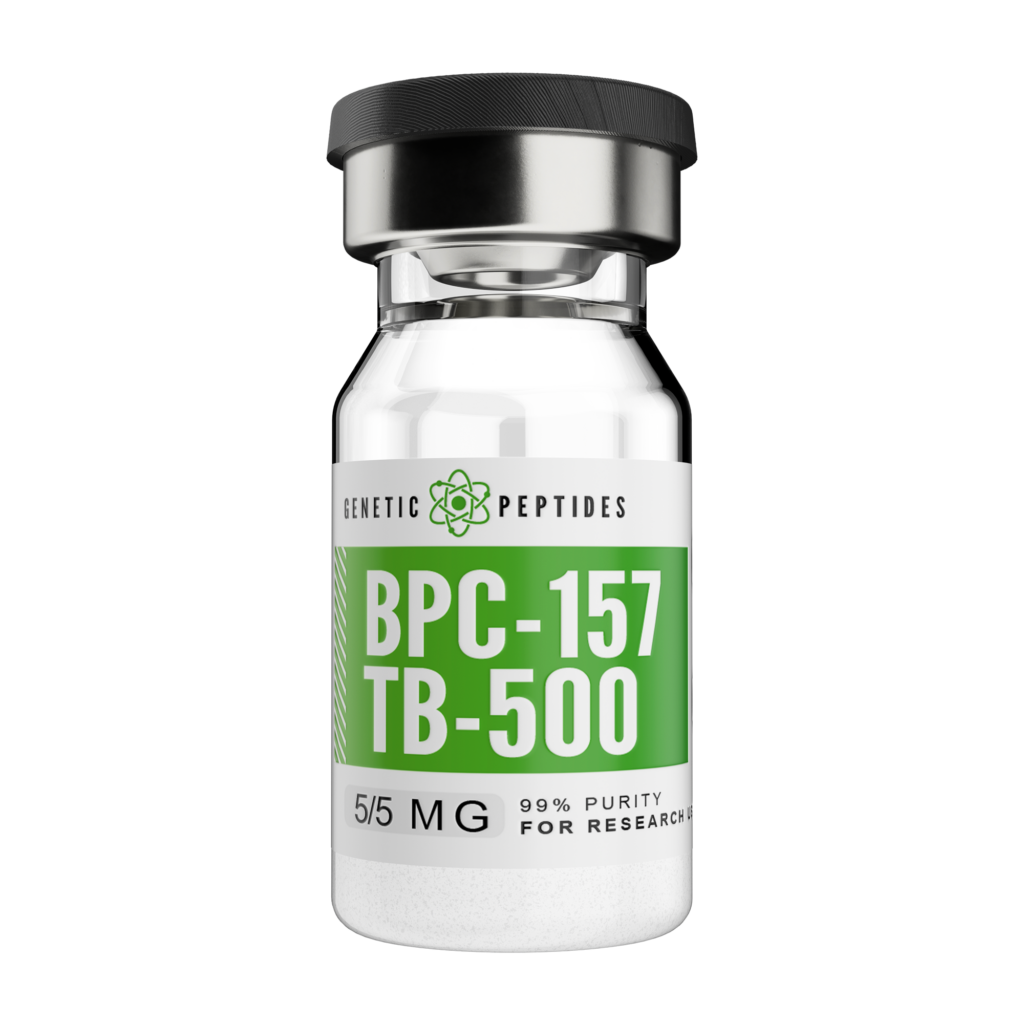
- We select approaches according to peptide size, hydrophobicity, cost account, and adjustment status rather than compeling every example into one design template.
- These modifications transform the peptide's biological task and chromatographic account.
- If capping isn't flawlessly efficient, an uncoupled chain can continue to lengthen in succeeding steps, producing a peptide that's just one residue short of the target.
- If the COA details "overall impurities", that enhances the pureness number (e.g., 98% purity implies 2% complete pollutants).
Theoretically, peptide pureness is quantified by the chromatogram generated by reversed stage HPLC, and additionally, we can acquire the number and family member amount of feasible spin-offs by determining the peak location. A premium chromatogram has a single, balanced major top with a level standard on either side. " Trailing"-- Peptide Industry where the optimal trails off slowly on one side-- can show column problems, sample overloading, or second communications in between the peptide and the stationary phase. In this setup, the stationary phase is hydrophobic (water-repelling), usually C18-bonded silica. The mobile phase is a gradient of water and a natural solvent like acetonitrile, usually with a percentage of trifluoroacetic acid (TFA) to develop the optimals.
These adjustments change the peptide's biological activity and chromatographic profile. Peptides are delicate to temperature, light, and chemical settings, making them prone to degradation, which influences efficiency. BOC Sciences gives sped up security, light stability, and chemical degradation experiments to systematically analyze formulation security threats.Nanoparticle Physicochemical Home Analysis
To conclude, understanding peptide purity levels and grades assists you make notified choices for your experiments. A peptide's pureness percentage tells you how much of that example is the actual offer versus byproducts, with usual research qualities being around 95% as much as 98-99% for additional purity. Analytical HPLC and MS are your friends here-- HPLC quantifies purity, and MS confirms identification, with each other guaranteeing you know what remains in your tube.
In simple terms, a peptide detailed as 95% pure consists primarily of the target peptide (95%), with the staying ~ 5% comprised of pollutants. These impurities can consist of things like shortened or truncated series, deletion variations, oxidized residues, or other minor side-products from the synthesis procedure. Peptides are commonly used in the clinical aesthetic appeals, cosmetics, and biomedical fields because of their one-of-a-kind organic activity and wide application potential. Nevertheless, the high quality of peptide items directly influences their effectiveness and safety, making exact top quality testing solutions crucial.